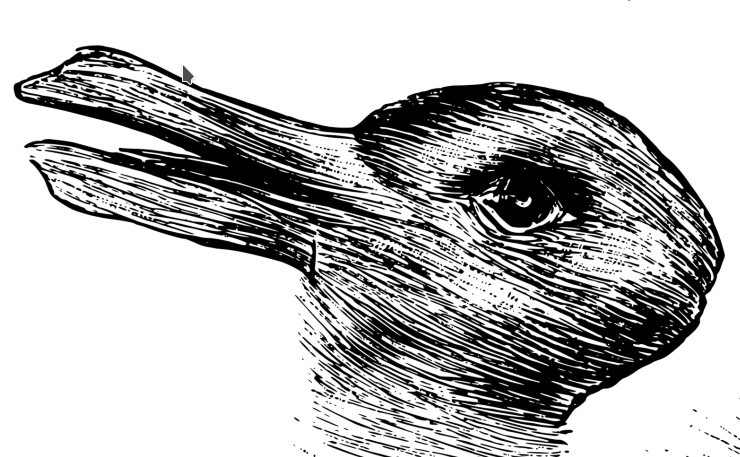
the world is a blur at best
The world is a blur at best. Bad worlding can root itself in definitions, using them like hammers for everything in sight. Possibly because of kosmophasia.
Good intentions can go either way, badly as often as best.
Bad intentions are the same effort without— that within— with no one — worldless. They will destroy the world in order to save it, because they care.
Yet the world does not care, even about the end of the world, for the world will go on, without each of us. Bad intentions can never see that fact, even when it alone makes the world go round. If left alone.
And alone, to notice the ruin of the world as it turns without us, to stand in that place, is a romance. The romantic effort is one of openness to the loss of self in selfing, when the world baptises you when it washes you away onto the earth. Worlded now like the mud, of finding one’s self in the world without us. I guess this is a salvation in the blur of a dawn chorus.
But not for your soul as a spirit, nor for an ego as a collectivised ghost, the echos of life entitled loyalty, but that your place is even there without you, when you are not any of these things we name and value, and cannot be kept, but can be stored in the world which holds nothing. Not even you.
Moral of the story
I’ve use some English Christian words here as I grew up in some version of that tradition, but the idea of salvation is much wider and older than that expression. Look up the word soteriology as the study of such movements and practices. For example, there is a good discussion at enclycopedia.com.
Of course the natively personal elements of these movement are usually counter-cultural, especially in highly stratified societies (witness the Bhakti devotionals in South Asia) which even then can be co-opted. As in the case of St Augustine of Hippo’s pathway re-inscribing Imperial hierarchies on a once more egalitarian movement, which is why centuries later, warrior-elite westward Germanic societies chose or formed a word indicating warband’s loyalty systems (be-love) to translate the lost Empire’s fides (faith as St Augustine prescribed it) amidst imperial ambitions, and we end up with the abominable “belief”. A bad way to world the self and self the world.
See also, as this piece (crossposted at substack.com) reflects on the following background posts:
- Recently moral development [Song to the Siren & The Lovely Bones]
- Flowcharting faith-based faith versus faith-obeying-reason,
- and To build a better world, we should destroy the Catholic Church but versus Reading Beyer: Solidarity by Grace, Nature or Both?.
Posts on the world, worlding and Posts on the blur track these topics.