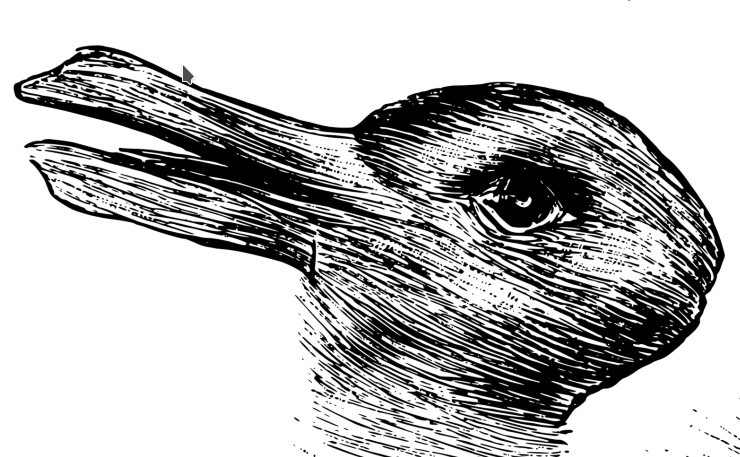
Maps: metaphor and identity
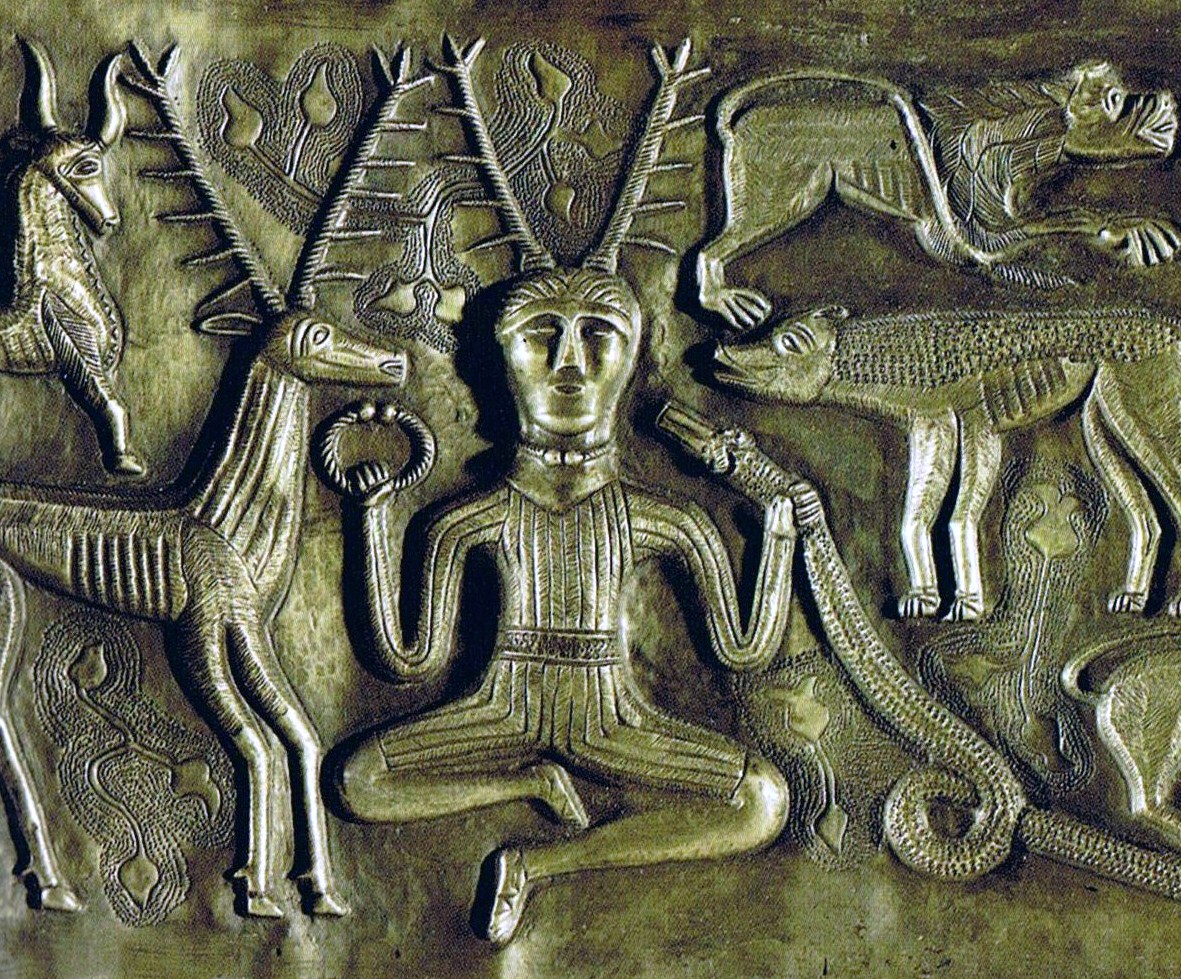
Mathematicianss are shamans, like poets they don't know it.
Identity
To frame this conundrum of metaphor versus identity I will first look ‘mapping’ as used in mathematics.
https://en.wikipedia.org/wiki/Isomorphism (off you go, transport yourself to us all).
It would appear that mathematicians use the analogy of ‘mapping’ with some Greek-originating words like isomorphic, or morely nounly, isomorphism to label the process while often retaining ‘mapping’ for the verb. Here the emphasis is not on the drawing of the map, but the process by which one connects a territory or substrate to the drawing’s lines, forms, features and legend. To use isomorphing could be too pretentious, while isomorphic retains an educated sophistication or comfort, like the distinctions made about the air with the term ‘isobars’ when drawing lines over a map for an air pressure chart. Also look at the taxonomy which “same-morphism” allows:
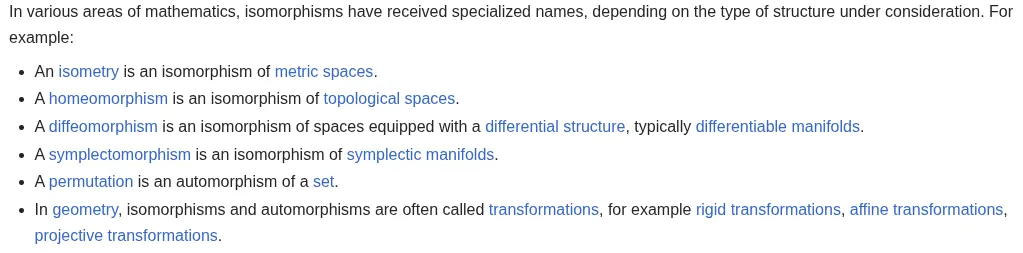
My favourite there is the tautology “A symplectomorphism is an isomorphism of symplectic manifolds.”
However if we did use isomorphing in a mathematical frame for this mapping of X to Y rather than ‘mapping’, it might be easier to distinguish the mappings made and the process which allows such a map to be made and read in the first place.
Part of the conundrum, and this is the subject of this post, lies in the existential or foundational nature of the point of view (POV) to all our endeavours.
I choose the word conundrum carefully, for its definitions Janus-dance around either: a dilemma of a question, or, in a punning solution to a riddle.
For all mathematics, despite mathematics rich traditions to example or shamanically transport us to a realm where objective truth might exist, if beyond our ken, with proofs and logicks… —mathematics and logic still depends on, or originates from, and requires, even in simply counting or connecting, a point of view.
The mapping is a eye-hand-vector co-ordination effort. This effort is undertaken to share goals within a group. Why bother otherwise. It’s like that famous English hotel Faulty Towers which would run really well if there were no hotel guests.
The hinge point or threshold or Janus-dance for this question of logical identity is the copula, which in English is the verb “to be”. Which can also be used to map in other ways outside of logic or mathematics.
The car is red. The car is a vehicle. The car is travelling along the road to Rome. The car is a tool. The car is a Mercedes. The car is mine. The car is me.
Metaphor
For more epistemology-centric discussions the mapping of tautological statements via the grammatical element of the copula, which in many Indo-European languages is a form of the verb “to be” used as an auxilliary verb, leads to ontology as a system, and ontology is worthy of criticism, as “is”. Ontology being from the Greek for to-be-logos.
(Animal grammar mapped/maps to the function of logical identity thus the circle of a POV generated methodology into ontological grammar is “complete”.) (And I haughtily feel that it does not require any hermeneutics…)(yeah right)(…. my criticism being, and must be explicitly stated… it allows a mathematical shaman or logical priest of reason, to feel that systems based on counting have no point-of-view(POV) and is thus beyond criticism) (This both repeat Gödels efforts against Formalism, and uses them against Gödel’s Platonism).
But our systems do have a POV. Both immediately after transportation to beyond the mathy sky-maps of our sensibilities, beyond the shamanic transfigurations of our de-selfed genius, and thus, in the origins of our efforts, also prior to these epiphanies and excursions.
For these simply logical mappings are pre-adapted to be transformed into metaphoric use, where the logical copula, with a bit of atmospheric handwaving also gives us the makings of poetry (deep within the origins of our efforts, but that is a whole taphonomical expedition into deep big history of life, the universe and everything).
For ‘to be’ can also be used to create ancient metaphoric statements like “I am the stag”.
The car is red. The car is a vehicle. The car is travelling along the road to Rome. The car is a tool. The car is a Mercedes. The car is mine. The car is me.
Now metaphoric statements are easier to suspend judgement about, but are generally regarded as poetic foibles in which our POV is allowed a place in discussions because of “imagination”. (I think they mean consciousness or life itself.)
But then I think, epistemologically speaking, logical identity is a ontological foible, however useful as a practice, or job of work, that also requires a suspension of judgement, a la Pyrrho of Elis, in regard to claims of ontological presence as systemic to the universe.
“Ontology” is just an excrescence of doubling down on the languages we happen to use. Consider if the auxiliary verb chosen to do this job of work in English was not “to be” but, say, “to have” we would be arguing about ehology and not ontology.
This is why any ontological grammar (perhaps seeking de-selfed objectivity) is a subset of animal grammars which otherwise might have a point of view but no way to map them, for in an umwelt the territory is the map, because it can not be “drawn out” by one POV to share with another POV unless there is some prosocial mechanism to do so. For bees it is the hive. For Homo species that tool is the world of many eyes (POVs).
The conundrum is both the riddle and the dilemma that is the Janus dance of selfing the world in worlding the self among others doing the selfsame thing.
Selfsame is another word for identity.
I am metaphor.
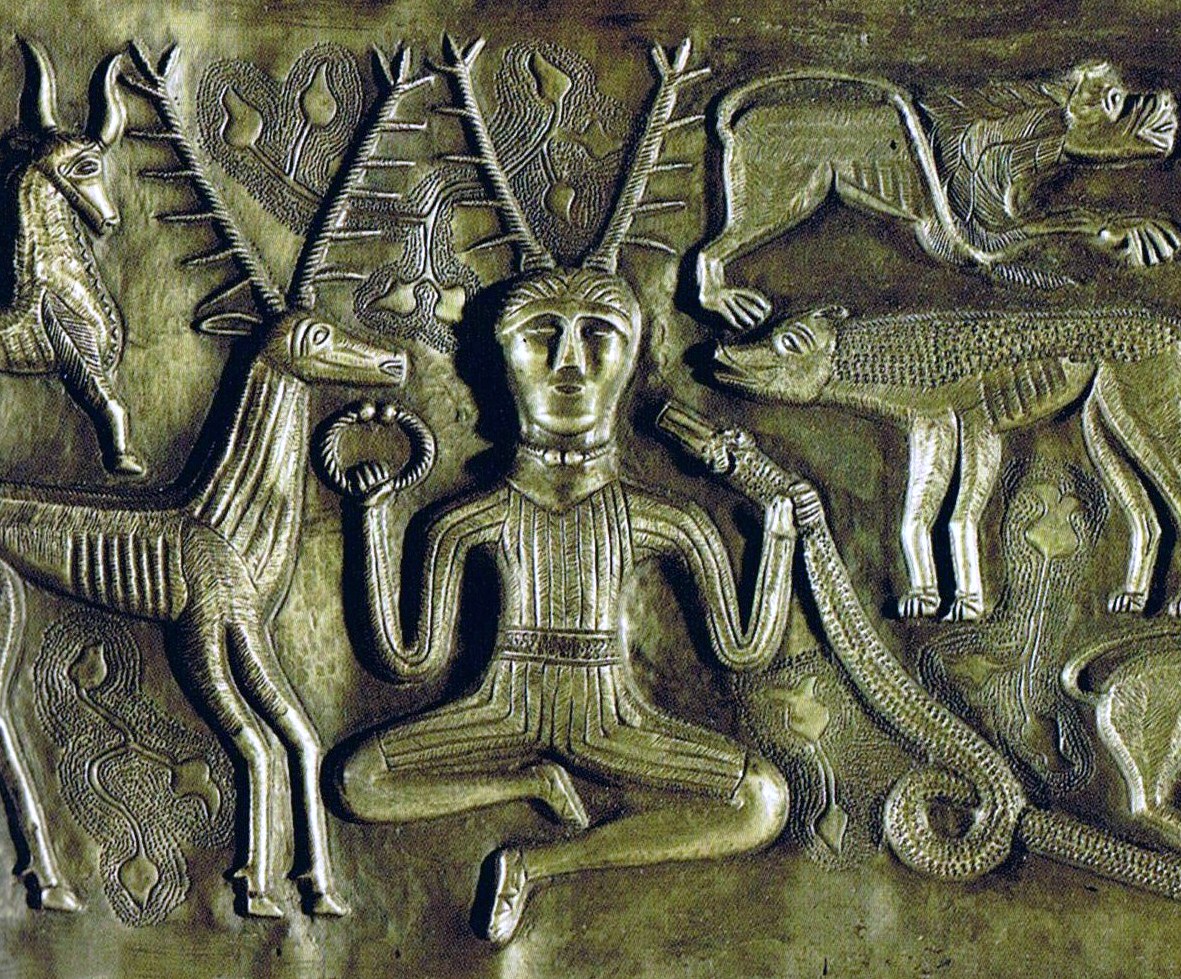
Gundestrup "Cernunnos"
Logical and/or mathematical identity transports us to a objective realm by removal of the POV (even if it is just a dream).
Metaphor carries us off to new viewpoints, or at least to someone else’s shoes.
“ “I am the stag” ”
Even if you really are a snake.
Crossposted substack.com